


California Air Resources Board (CARB) publishes results of Lotus Engineering’s vehicle mass reduction study on a Crossover Utility Vehicle (CUV)
- Results show a total vehicle mass reduction of 31% (528.3 kg or 1,162 lbs.) and a $239 (£150 / €188) saving in overall vehicle cost.
- Body structure utilises advanced materials including high-strength steels, aluminium, magnesium and composites along with high tech joining and bonding techniques.
Following on from Lotus’ successful “Phase One” study, published in 2010, which looked at the empirical and theoretical weight saving for a standard CUV, Lotus Engineering conducted further research to confirm if a lightweight and commercially feasible body structure has the potential to meet or exceed the requirements for size, luggage volume, comfort, crashworthiness and structural integrity.
Lotus Engineering’s “Phase Two” body structure design was based on the dimensions of a 2009 Toyota Venza CUV and utilised advanced materials such as high-strength steels, aluminium, magnesium and composites along with advanced joining and bonding techniques to achieve a substantial body and overall vehicle mass reduction without degrading size, practicality or performance. The body mass was reduced by 37% (311 lbs. or 141.6 kg), which contributed to a total vehicle mass reduction of 31% (1,162 lbs. or 528.3 kg) including the mass savings of other vehicle systems (interior, suspension, chassis, closures, etc.) that had previously been identified in “Phase One”.
The detailed Computer Aided Engineering (CAE) analysis undertaken indicated that a 31% mass-reduced vehicle with a 37% lighter Body-in-White (BIW) structure has the potential to meet U.S. Federal impact requirements. This includes side impact and door beam intrusion, seatbelt loading, child seat tether loadings, front and rear chassis frame load buckling stability, full frontal crash stiffness and body compatibility and frame performance under low-speed bumper impact loads as defined by the Insurance Institute for Highway Safety (IIHS). The result is a BIW design with a 20% increase in torsional stiffness over the class leading CUV.
Although the significant mass savings in the BIW design results in an increased BIW cost of $723 (£456 / €568), the overall vehicle cost is reduced through savings of $239 (£150 / €188) identified across the whole vehicle and when manufacturing and assembly costs are included in the analysis. A significant reduction in the parts count from 269 to 169, achieved by an increased level of component integration, also helped offset the increased BIW piece cost.
The background to the study
In April 2010, Lotus Engineering concluded the first phase of a study which substantiated that a reduction in vehicle mass could be achieved for medium production volume vehicles (approximately 50,000 units per year) with a 23% reduction in fuel consumption. In September 2010 the California Air Resources Board (CARB) commissioned Lotus Engineering to initiate Phase Two of the study and take a deeper look into the future of lighter, more efficient vehicles manufactured using lighter yet stronger materials.
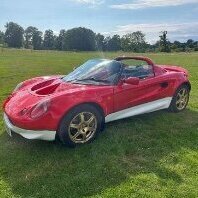
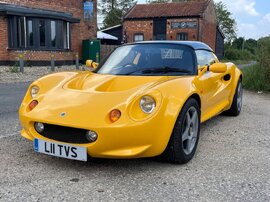
Lotus has always been about Lightweight
When Lotus founder Colin Chapman coined the phrase “performance through light weight” he was referring to much more than mere accelerative performance. In the broader sense he meant that a lighter vehicle does everything better, including being more fuel efficient. Over the past 60-plus years, Lotus road and racing vehicles have consistently benefited from this core philosophy and Lotus has developed a strong reputation as a leader in lightweight vehicle technologies.
After decades of most manufacturers building increasingly heavy, feature-laden cars, now the very aggressive corporate average fuel economy (CAFÉ) standards increasing from a target of 35.5 mpg in 2016 to 54.5 in 2025 have all manufacturers reevaluating the virtues of mass reduction and prioritising the materials, technologies and production methods that will enable lighter, stronger and more efficient vehicles.





.thumb.JPG.8b430cdf432e55b4f884027eff0f6f45.JPG)

Recommended Comments
There are no comments to display.
Join the conversation
You can post now and register later. If you have an account, sign in now to post with your account.